
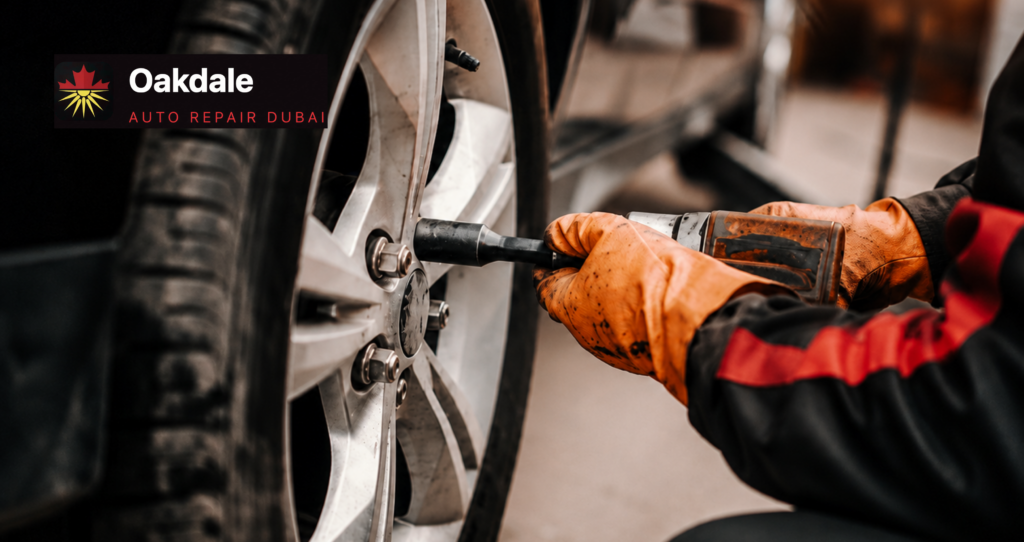
If your steering wheel no longer sits straight, your car pulls to one side or your tyres are wearing unevenly, wheel alignment may be one area worth checking.
So, what is wheel alignment? Wheel alignment is the process of measuring and adjusting the angles of the wheels so they match the vehicle manufacturer’s specifications. Correct alignment helps the tyres make appropriate contact with the road and supports predictable steering and tyre wear.
Alignment is not simply about making the steering wheel look straight. It is about how the wheels are positioned relative to the vehicle and road.
What Is Actually Adjusted During Wheel Alignment?
A technician measures specific wheel angles using alignment equipment. The main angles commonly considered are toe, camber and caster, although which adjustments are available depends on the vehicle.
Toe describes whether the wheels point slightly towards or away from each other when viewed from above.
Camber describes the inward or outward tilt of a wheel when viewed from the front.
Caster relates to the angle of the steering axis and influences steering stability and return.
Not every vehicle allows every angle to be adjusted. If a measurement is outside specification and cannot be corrected normally, worn or damaged suspension or steering components may need investigation.
Car Pulling or Steering Wheel Sitting Crooked?
Oakdale Auto Repair can check wheel alignment, tyres, steering and suspension to determine why the vehicle is behaving differently. Call or WhatsApp +971 55 599 1234 or visit 29th St, Al Quoz Industrial Area 4, Dubai. Find Oakdale Auto Repair on Google Maps and follow @oakdaleautorepair on Instagram.
Sign 1: The Car Pulls to One Side
A vehicle that consistently drifts or pulls may have an alignment problem, but alignment is not the only possible cause.
Unequal tyre pressure, tyre condition, steering faults, suspension wear or even certain road surfaces can influence how a car tracks.
If pulling happens repeatedly on different roads, have the vehicle inspected rather than automatically requesting an alignment.
Sign 2: The Steering Wheel Is Off-Centre
While travelling straight on a reasonably level road, the steering wheel should generally sit close to its expected centred position.
If you constantly need to hold it noticeably to one side, alignment may need checking.
However, the technician should also look for steering or suspension issues that could prevent the alignment from remaining correct.
Sign 3: Your Tyres Are Wearing Unevenly
Tyre wear can provide valuable clues.
One edge wearing faster than the other may be associated with incorrect alignment angles. Irregular wear can also involve tyre pressure, suspension problems or other mechanical issues.
This is why fitting new tyres without investigating unusual wear may result in the replacement tyres developing the same pattern.
Oakdale’s guide to suspension warning signs in Dubai explains how steering, suspension and tyre-wear symptoms can overlap.
New Tyres Wearing Unevenly?
Do not wait until a visible wear pattern becomes severe. Oakdale Auto Repair can inspect the tyres, suspension and wheel alignment to identify the reason. Call or WhatsApp +971 55 599 1234, visit 29th St, Al Quoz Industrial Area 4, Dubai, find Oakdale Auto Repair on Google Maps and follow @oakdaleautorepair on Instagram.
Sign 4: The Car Feels Less Stable Than Before
Alignment problems can sometimes make steering feel less precise or make the vehicle wander instead of maintaining a predictable line.
But instability should never automatically be blamed on alignment. Tyre damage, steering components and suspension wear can produce similar behaviour.
If the car has also started knocking over bumps or feels unusually loose through turns, a suspension inspection may be required before alignment adjustments are made.
What Can Knock Wheel Alignment Out?
Alignment can change gradually or after an impact.
Hitting a pothole, striking a kerb or taking a speed bump too aggressively may affect alignment or damage related components. Suspension repairs can also make an alignment check appropriate because replacing certain components changes wheel position.
Dubai drivers regularly encounter parking ramps, kerbs and speed bumps, but these should not automatically be blamed whenever steering feels different. Diagnosis still matters.
Oakdale’s guide to preparing your car for Dubai conditions also explains why tyres deserve regular attention in local driving conditions.
Wheel Alignment vs Wheel Balancing: What Is the Difference?
These services solve different problems.
Wheel alignment concerns the angles at which the wheels sit relative to the vehicle.
Wheel balancing concerns how weight is distributed around the wheel and tyre assembly.
An imbalance often causes vibration that becomes noticeable at certain speeds. Misalignment is more commonly associated with pulling, an off-centre steering wheel or uneven tyre wear.
Both problems can occur at the same time, which is why symptoms should be assessed rather than assuming which service is needed.
Should You Get Alignment After New Tyres?
It can be sensible to check alignment when fitting new tyres, particularly if the old tyres showed uneven wear or the steering was already pulling.
New tyres do not correct misalignment.
If the previous tyres developed abnormal wear because the wheel angles were outside specification, ignoring the cause may allow the same wear to develop on the replacements.
A broader car inspection in Dubai can also help identify steering, suspension, tyre and other vehicle concerns when several symptoms appear together.
FAQs
What is wheel alignment in simple terms?
Wheel alignment means measuring and correcting the angles of the wheels according to the vehicle manufacturer’s specifications. Correct alignment supports predictable handling and helps tyres wear more evenly.
How do I know if my car needs wheel alignment?
Common clues include pulling to one side, an off-centre steering wheel and unusual tyre wear. These symptoms can also have other causes, so inspection should confirm whether alignment is actually required.
Is wheel alignment the same as wheel balancing?
No. Alignment adjusts wheel angles, while balancing corrects uneven weight around the wheel and tyre assembly. Balancing problems commonly cause vibration, while alignment problems may cause pulling or uneven tyre wear.
Can bad suspension cause wheel alignment problems?
Yes. Worn, loose or damaged suspension and steering components can affect wheel position. If these components are faulty, they may need repair before an accurate alignment can be completed.
Should I get wheel alignment after hitting a kerb?
It may be worth checking if the steering changes, the car starts pulling or the steering wheel becomes off-centre afterwards. An impact can also damage tyres, wheels or suspension, so those areas may need inspection too.
Where can I get wheel alignment checked in Dubai?
Oakdale Auto Repair in Al Quoz Industrial Area 4 provides tyre, steering, suspension and wheel-alignment services for multiple makes, including European and luxury vehicles.
Alignment Protects More Than Your Tyres
Correct wheel alignment supports predictable steering, stable handling and more even tyre wear. If the car begins pulling, the steering wheel sits crooked or the tyres develop unusual wear, do not assume the solution until the related systems have been checked.
Sometimes alignment is all that is needed. In other cases, a tyre, steering or suspension problem must be repaired first.
Steering No Longer Feels Straight? Check the Cause
Oakdale Auto Repair can measure wheel alignment and inspect the tyres, steering and suspension before recommending adjustments or repairs. The 3rd-generation Canadian-owned family workshop brings more than 30 years of automotive experience to Al Quoz. Call or WhatsApp +971 55 599 1234 or visit 29th St, Al Quoz Industrial Area 4, Dubai. Find Oakdale Auto Repair on Google Maps and follow @oakdaleautorepair on Instagram.